What Is a Digital Engagement Platform? (And Why It Matters Right Now)
Understanding the digital engagement platform definition starts with a simple idea: it's a technology framework that centralizes how an organization communicates with, supports, and motivates its people — employees or customers — across…
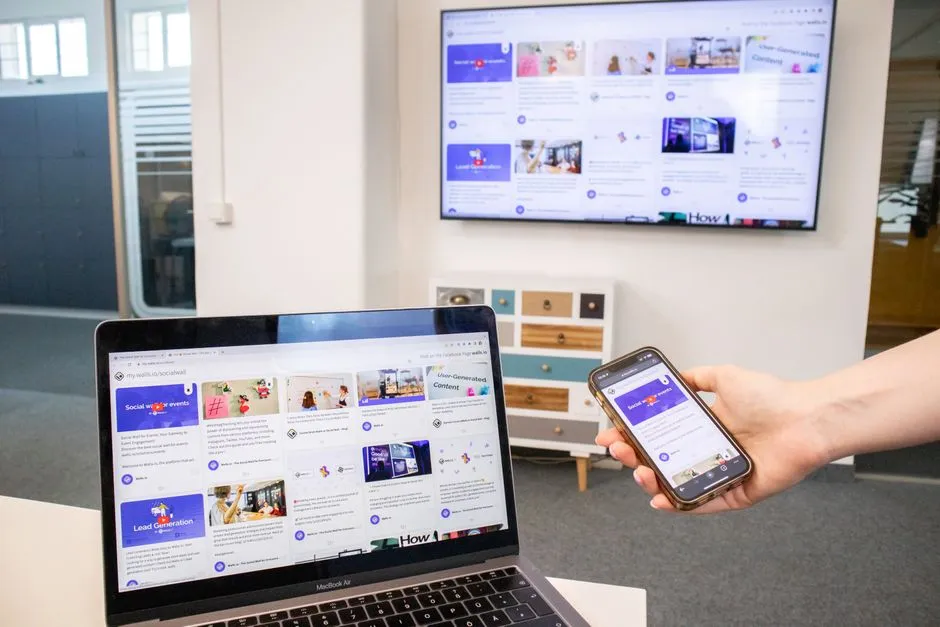
Understanding the digital engagement platform definition starts with a simple idea: it's a technology framework that centralizes how an organization communicates with, supports, and motivates its people — employees or customers — across every digital channel they use.
Here's a quick breakdown:
| Term | What It Means |
|---|---|
| Digital Engagement Platform | A unified system for managing real-time, personalized interactions across multiple digital channels (email, mobile, chat, social, etc.) |
| Core Purpose | Connect, communicate with, and motivate a target audience at scale using data, automation, and AI |
| Primary Users | HR leaders, marketing teams, customer experience teams, and business operations |
| Key Capabilities | Omnichannel communication, behavioral data unification, personalization, workflow automation, and analytics |
| Different From CRM? | Yes — a CRM stores relationship history; a digital engagement platform acts on it in real time |
Think about the last time a perfectly timed message — from a brand, a manager, or a colleague — made you feel genuinely seen. That's digital engagement working at its best.
Now flip it. Research shows that 91% of customers will stop doing business with a company after a single frustrating experience. The same logic applies inside organizations: employees who feel disconnected, under-recognized, or unsupported don't stay quiet — they leave.
And the gap between intention and reality is striking. 88% of companies say personalization is extremely or very important to their engagement strategy. Yet fewer than half of the people on the receiving end — whether customers or employees — actually agree that companies deliver it well.
That disconnect is exactly the problem a digital engagement platform is designed to close.
Whether you're a CEO watching turnover numbers climb or an HR leader trying to build culture across a hybrid workforce, the right platform doesn't just send messages — it creates meaningful interactions that drive retention, performance, and loyalty.
I'm Meghan Calhoun, co-founder of Give River and a two-decade veteran of high-performance workplace environments — from Fortune 100 sales teams to frontline roles requiring deep human connection — where I've seen how the absence of a coherent digital engagement platform definition and strategy leaves even talented teams disengaged and burned out. That lived experience is what drove me to build Give River's 5G Method, and it's the lens through which this guide is written.
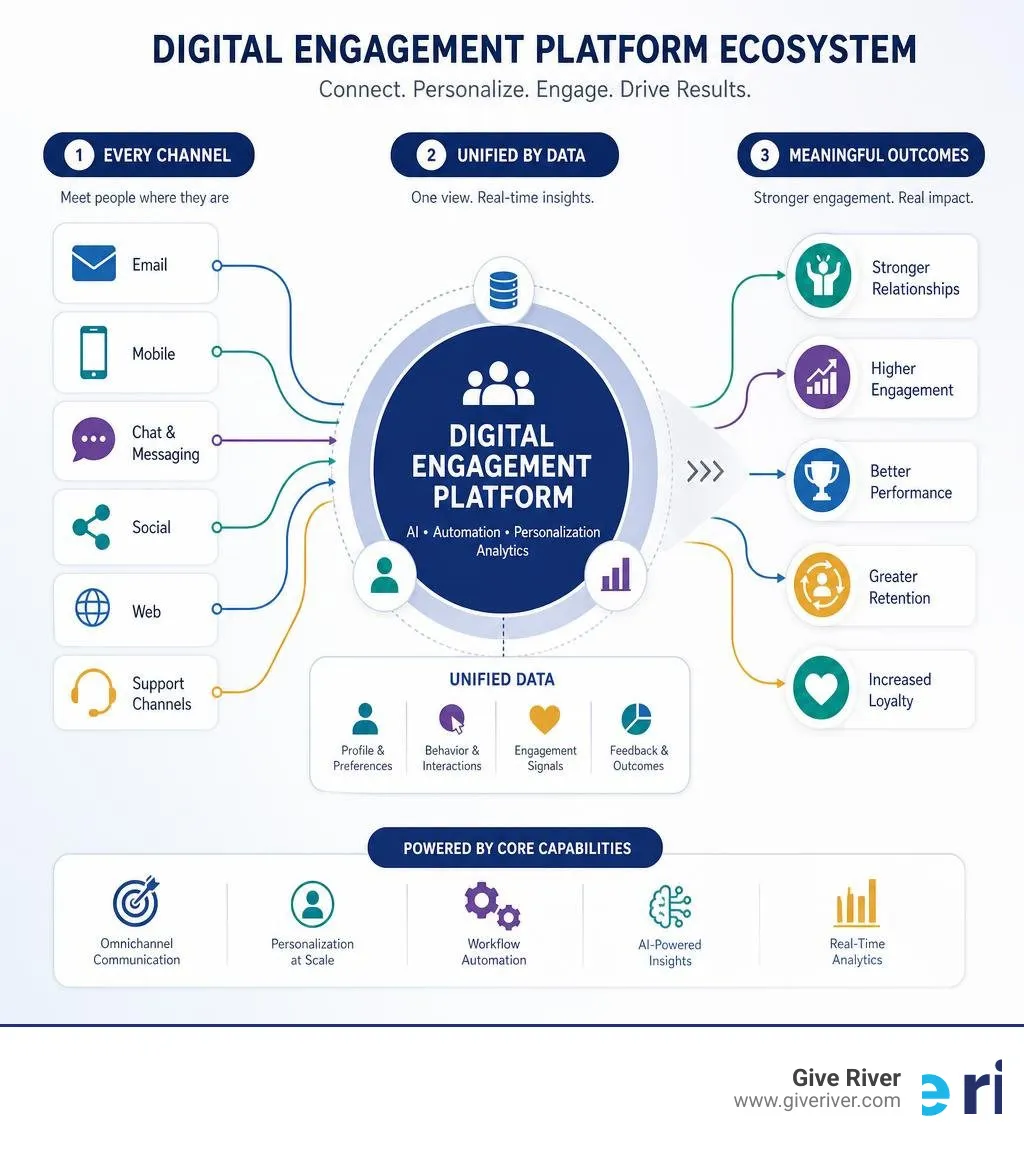
Basic digital engagement platform definition vocab:
The Digital Engagement Platform Definition and Core Capabilities
To truly understand how this technology transforms modern operations, we must look beyond basic messaging. A true digital engagement platform (DEP) acts as an active ecosystem. It bridges the gap between raw data and human connection, turning passive touchpoints into interactive moments.
Instead of managing separate tools for communication, feedback, and rewards, a DEP unifies these functions. This ensures that every interaction feels cohesive, timely, and deeply personal.
What is the Digital Engagement Platform Definition in Modern Business?
In the modern corporate landscape, the digital engagement platform definition has evolved. It is no longer just a tool for marketing teams to send customer emails. Today, it represents a comprehensive technology framework designed to foster deep, two-way connection with your most valuable asset: your workforce.
While a traditional Customer Engagement Platform (CEP) focuses on external buyers, an employee-centric digital engagement platform optimizes the internal workforce connection. It is important to distinguish a DEP from legacy systems like HRIS (Human Resource Information Systems) or LMS (Learning Management Systems).
| Feature | HRIS (HR Information System) | LMS (Learning Management System) | Digital Engagement Platform (DEP) |
|---|---|---|---|
| Core Focus | Compliance, payroll, and static employee records | Training delivery, course tracking, and certifications | Real-time connection, culture, and active participation |
| Data Flow | One-way (top-down admin entry) | One-way (assigning and completing courses) | Two-way (continuous feedback, recognition, and interaction) |
| Primary Goal | Operational compliance and administrative efficiency | Skills training and compliance tracking | Workforce fulfillment, retention, and daily motivation |
Legacy tools keep records, but they do not inspire action. To learn more about how these modern systems operate, explore our Digital Engagement Tools Complete Guide.
Core Features of a Digital Engagement Platform Definition and Architecture
A robust digital engagement platform relies on a sophisticated, modern architecture. It is built to integrate seamlessly with your existing tech stack rather than replacing it.
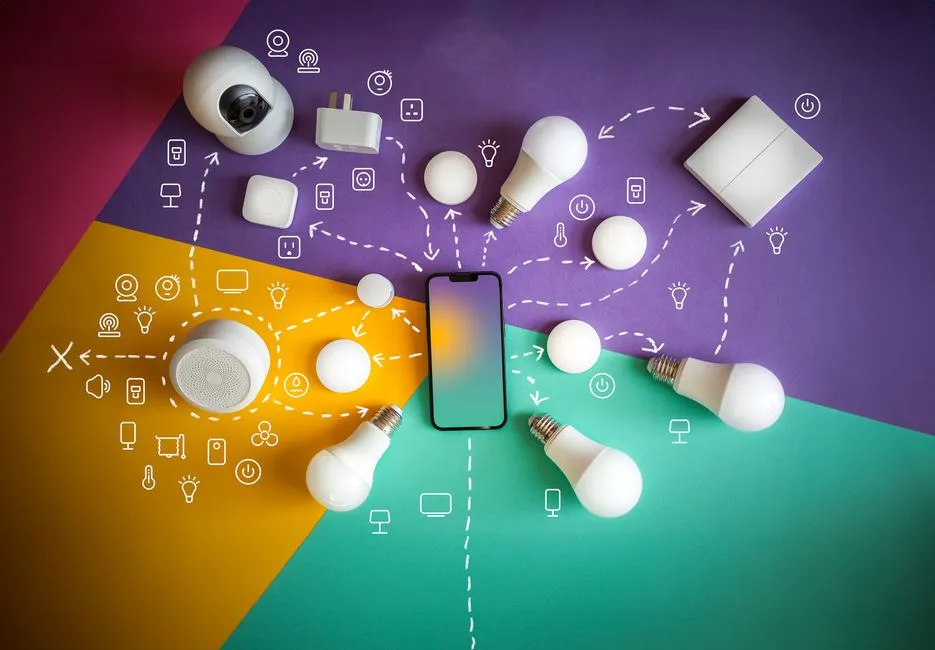
The core features that define this architecture include:
- API Integrations: Seamless connections to your existing HRIS, CRM, or communication hubs (like Slack and Microsoft Teams) to keep data synchronized.
- Workflow Automation: Trigger-based actions that automatically celebrate an employee's work anniversary, prompt a wellness check-in, or send targeted growth content.
- Machine Learning and AI: Advanced algorithms that analyze participation patterns to predict disengagement before it leads to turnover.
According to the McKinsey State of AI Report, 78% of organizations now use AI in at least one business function. In a modern DEP, AI does not replace the human touch. Instead, it helps managers identify which team members need support, ensuring that human intervention is directed where it is needed most.
How Digital Platforms Support Omnichannel Experiences
Today's employees do not work in a single digital channel. They jump from email to mobile apps, and from desktop workstations to collaboration tools like Slack or Microsoft Teams.
A digital engagement platform supports a true omnichannel employee experience by maintaining absolute channel consistency. If an employee receives a peer-to-peer recognition badge on their mobile app, that achievement should instantly display on their desktop portal and sync with their team's communication channel.
This approach removes friction and enables proactive engagement. Instead of forcing employees to log into a clunky, isolated portal, a DEP meets them where they already work. By providing self-service options, employees can easily access wellness challenges, review their growth goals, or send a quick note of gratitude on their own terms.
To see how this works in practice, read our guide on the Employee Communication and Engagement Platform.
Business Benefits, ROI, and Choosing the Right Platform
Investing in a digital engagement platform is not just about adopting new technology. It is a strategic business decision that directly impacts your bottom line by improving retention, boosting productivity, and building a stronger workplace culture.
Key Benefits: Driving Employee Retention and Loyalty
Replacing a single employee can cost an organization up to twice that employee’s annual salary. A digital engagement platform directly combats this challenge by replacing employee frustration with personalized, meaningful experiences.
Consider these critical statistics:
- 53% of customers and employees prefer to engage digitally, making modern digital tools a baseline expectation.
- Personalized digital experiences see a 68% increase in active engagement.
- According to Gallup Employee Experience Research, teams with high engagement experience significantly lower turnover and higher overall profitability.
When you use a platform to deliver tailored guidance, timely recognition, and personal wellness support, you build lasting brand loyalty from the inside out. Employees stay when they feel seen, valued, and connected to a larger purpose. Discover how to leverage these tools in our article on Employee Engagement Technology.
Measuring ROI and Success Metrics
To justify the investment in a DEP, we must look at clear, quantifiable business outcomes. Measuring the ROI of your platform involves tracking several key success metrics over time:
- Employee Lifetime Value (ELV): By reducing early turnover and accelerating onboarding, a DEP extends the productive lifespan of your team members.
- Participation Rates: High daily and weekly active usage rates show that your team finds genuine value in the platform, rather than viewing it as administrative homework.
- Engagement Scoring: Real-time feedback loops and sentiment analysis help you measure the overall health of your company culture.
To dive deeper into the specific metrics you should track, review our breakdown of Employee Engagement Platform Features.
How to Choose the Right Platform for Your Workforce
When evaluating vendors, it is easy to get overwhelmed by feature lists. Many traditional platforms, such as Bonusly or Kudos, focus primarily on peer-to-peer recognition and rewards. While recognition is incredibly important, a modern workforce requires a more comprehensive approach to achieve true fulfillment.
Here is how Give River compares to traditional recognition-only platforms:
| Feature / Focus | Traditional Platforms (e.g., Bonusly, Kudos) | Give River (The 5G Method) |
|---|---|---|
| Primary Focus | Peer-to-peer recognition, points, and gift card rewards | Holistic employee fulfillment, wellness, and alignment |
| Scope of Engagement | Transactional (sending points/badges for tasks) | Transformational (guided growth, wellness, and community impact) |
| Wellness & Growth | Limited or requires third-party integrations | Built-in personal wellness and professional development content |
| Community Impact | Secondary or absent | Core focus on shared purpose and generosity |
At Give River, we designed our platform around the 5G Method to address the whole employee experience, moving beyond simple point-giving to drive deep, lasting engagement:
- Guided: Providing clear pathways, expectations, and alignment.
- Gamified: Making daily progress, learning, and participation rewarding and fun.
- Gratitude: Building a deep culture of appreciation and peer recognition.
- Growth: Offering personal wellness and professional development content that helps your people thrive.
- Generosity: Creating opportunities for community impact and shared purpose.
When choosing your platform, look for a solution that unifies these elements into a single, seamless experience. Ready to take the next step? Explore our comprehensive comparison of Digital Engagement Platforms to find the perfect fit for your organization.
More from this category.

The 5 Best Employee Engagement Platforms in 2026, Compared
Give River, Culture Amp, WorkTango, Engagedly, and Kudos compared from each vendor's own site: pricing, gamification, learning, surveys, and who each one fits.

Employee Engagement Software for Companies With 50–200 Employees (2026)
What a 50–200 person company needs from engagement software, what six platforms cost at that size, who each fits, and how fast you can launch.

Understanding Gamification in the Workplace
Employee disengagement is a significant concern for many organizations today, impacting productivity and morale. Employee engagement through gamification offers an innovative solution by changing mundane tasks into exciting experiences. By…
See the platform in action.
Free for up to 25 members, or try Core or Growth free for 30 days. A card is required; Free is never charged, and a trial bills when it ends unless you cancel.