Beyond the Awkward All-Hands Shoutout
Peer to peer rewards are changing how modern organizations build culture. In fact, employees who receive peer recognition are 35.7% more likely to see improved financial outcomes compared to those in traditional manager-only recognition…

Peer to peer rewards are changing how modern organizations build culture. In fact, employees who receive peer recognition are 35.7% more likely to see improved financial outcomes compared to those in traditional manager-only recognition programs.
Quick Guide to Peer to Peer Rewards:
- Definition: Recognition systems where colleagues acknowledge each other's contributions directly
- Key Benefits: 4x higher engagement, 48% better retention rates, stronger team cohesion
- Popular Types: Digital kudos platforms, point-based systems, peer nominations, social recognition
- Best Platforms: Bonusly, Kudos, and innovative solutions like Give River's gamified approach
- ROI Impact: Companies see 21% boost in profitability with engaged workforces
We've all sat through company meetings where a scripted shoutout for "Susan from accounting's excellent spreadsheet work" feels forced. The intention is good, but the delivery often misses the mark.
Research shows that while 60% of employees exchange peer recognition monthly, most companies still rely on top-down approaches. Recognition from teammates—who see your daily hustle—is far more impactful.
The numbers are powerful: weekly recognition makes employees 9 times more likely to feel a sense of belonging, and peer feedback boosts performance by 14% over manager-only praise. Unlike platforms like Bonusly or Kudos that can feel transactional, the best systems create genuine connections.
I'm Meghan Calhoun, co-founder of Give River. With two decades of experience in high-pressure roles, I've seen that authentic recognition is the foundation of a thriving culture. I've witnessed how peer to peer rewards transform teams from simply going through the motions to genuinely celebrating success.
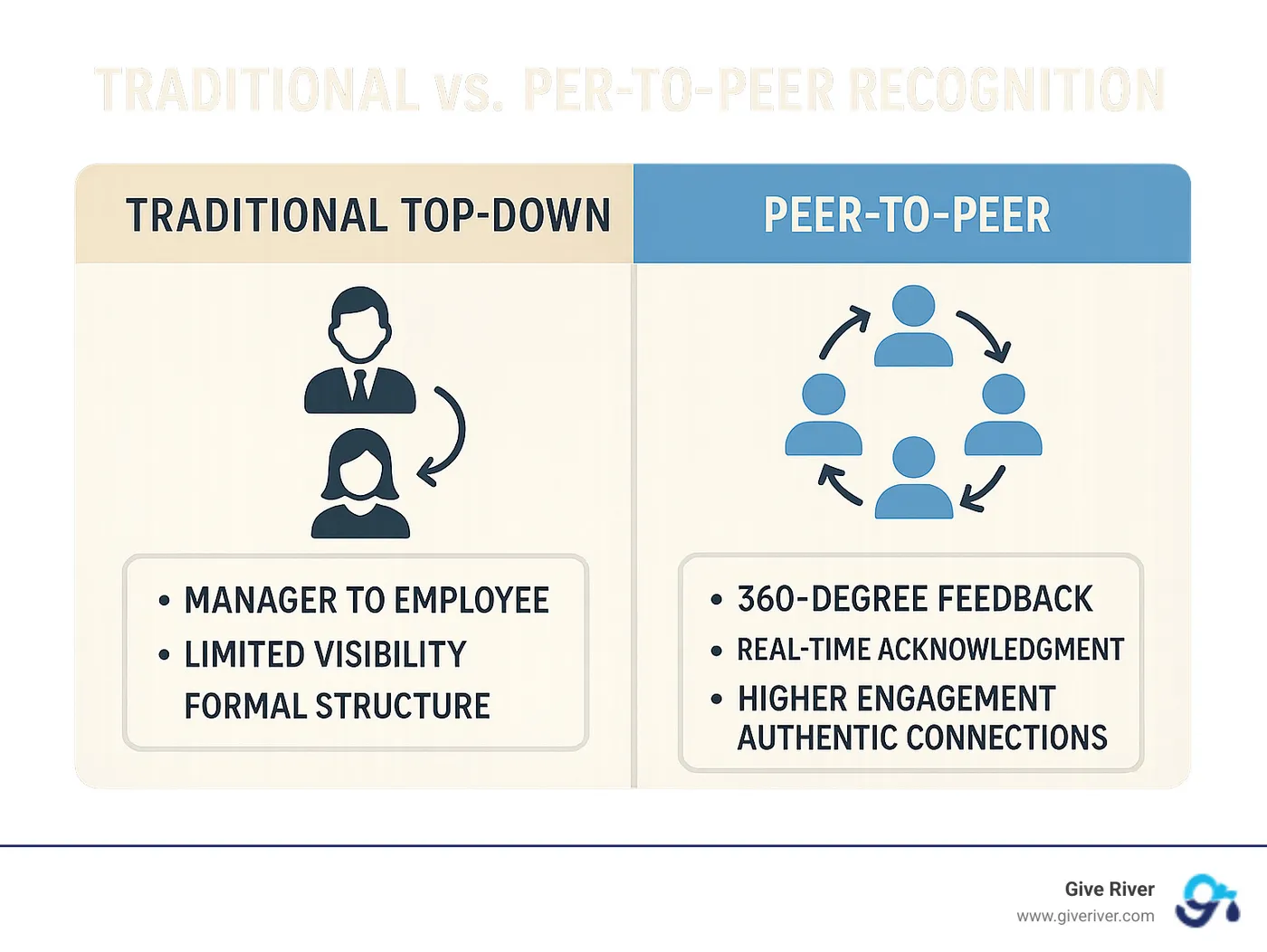
Peer to peer rewards vocab to learn:
Why Peer Recognition Is a Game-Changer for Your Culture
Imagine Sarah from marketing boosts leads by 40%. Instead of waiting for a manager's review, teammates instantly celebrate her on a digital kudos wall. Sarah feels seen, colleagues are inspired, and the culture strengthens. This is the power of real-time peer to peer rewards.
Peer recognition happens in the moment, from the people who witness the daily wins that make teams thrive.
The Data-Backed Case for Peer Recognition
The business case for peer recognition is overwhelming, with measurable impacts on your bottom line.
Employee engagement skyrockets when colleagues recognize each other. Weekly recognition makes employees 2.6 times more productive, and feeling meaningfully recognized makes them nearly 6 times more likely to see a long-term future with the company. Regular recognition leads to workforces that are 4 times more engaged and a 21% boost in profitability.
The impact on retention is striking. Unrecognized employees are twice as likely to quit. A peer recognition program can lead to a 31% lower voluntary turnover rate, representing significant savings when employee replacement costs 50-200% of their salary.
Peer rewards also create genuine belonging. Weekly recognition makes employees 9 times more likely to feel they belong. In fact, two-thirds of employees say peer recognition is a key motivator for doing their best work.
Financially, peer-to-peer recognition is 35.7% more likely to improve business outcomes than manager-only programs. Companies with these programs are 48% more likely to have high employee engagement rates. Gallup's research adds that appreciated employees are 56% less likely to seek new jobs.
As we explore in The Power of Gratitude in the Workplace: Recognition Matters More Than You Think, this isn't just about feelings—it's about building resilient, high-performing teams.
Setting the Stage: Best Practices for a Program That Works
An effective peer to peer rewards program must be authentic to your unique culture. The best programs feel natural, not forced, and share several key elements.
- Start with clear goals. Define what success looks like. Are you trying to boost collaboration, reduce turnover, or spark innovation? Your goals will shape the entire program.
- Make inclusion non-negotiable. Ensure everyone—remote, hybrid, frontline—can participate authentically. Offer flexible options, from public shout-outs to private messages.
- Leadership sets the tone. When leaders actively recognize their peers, not just direct reports, it shows appreciation is valued at all levels and encourages adoption.
- Be specific. Instead of "Great job!" try "Your analysis of customer feedback led to a 25% increase in satisfaction scores." Explain the 'what' and the 'why' to make praise meaningful.
- Recognize in real-time. Timely praise reinforces positive behavior. Weekly recognition creates 9 times stronger feelings of belonging than annual reviews.
- Use public recognition to inspire. Digital walls, dedicated Slack channels, and meeting shout-outs amplify excitement and create positive peer pressure.
The key is to make recognition effortless. Integrate it into existing workflows to ensure high participation.
You can dive deeper into building these foundations through our guide on Employee Recognition Programs.
The Tech That Powers Modern Peer to Peer Rewards
Technology transforms peer to peer rewards into dynamic, real-time ecosystems. The right platform amplifies recognition's impact and provides cultural insights.
Key features include:
- Real-time feedback capabilities that allow for immediate acknowledgment, creating positive momentum.
- Seamless integrations with tools like Slack and Microsoft Teams that bring recognition into daily workflows.
- Analytics and reporting features that reveal cultural patterns, helping leaders spot trends and address recognition gaps.
- Gamification elements like points and leaderboards that can motivate participation when balanced with authentic appreciation.
While platforms like Bonusly and Kudos excel at facilitating point-based recognition that can be redeemed for rewards, Give River offers a more holistic approach. We integrate peer to peer rewards into a larger ecosystem supporting employee fulfillment. Our platform connects recognition with wellness, development, and community impact via our unique 5G Method, linking appreciation to growth and purpose.
The goal isn't just to make recognition easier—it's to make it more meaningful and part of a culture that supports the whole person.
Learn more about how technology can improve your recognition strategy through our Employee Recognition Platforms guide.
12 Creative Peer to Peer Rewards Your Team Will Actually Love
Now that we understand the "why" and "how" of peer to peer rewards, let's explore practical ideas that will resonate with your team. These are meaningful ways to celebrate success that make people feel valued.
Low-Cost, High-Impact Ideas (That Aren't Just Pizza Parties)
The most powerful recognition often comes from simple, thoughtful gestures that don't require a massive budget.
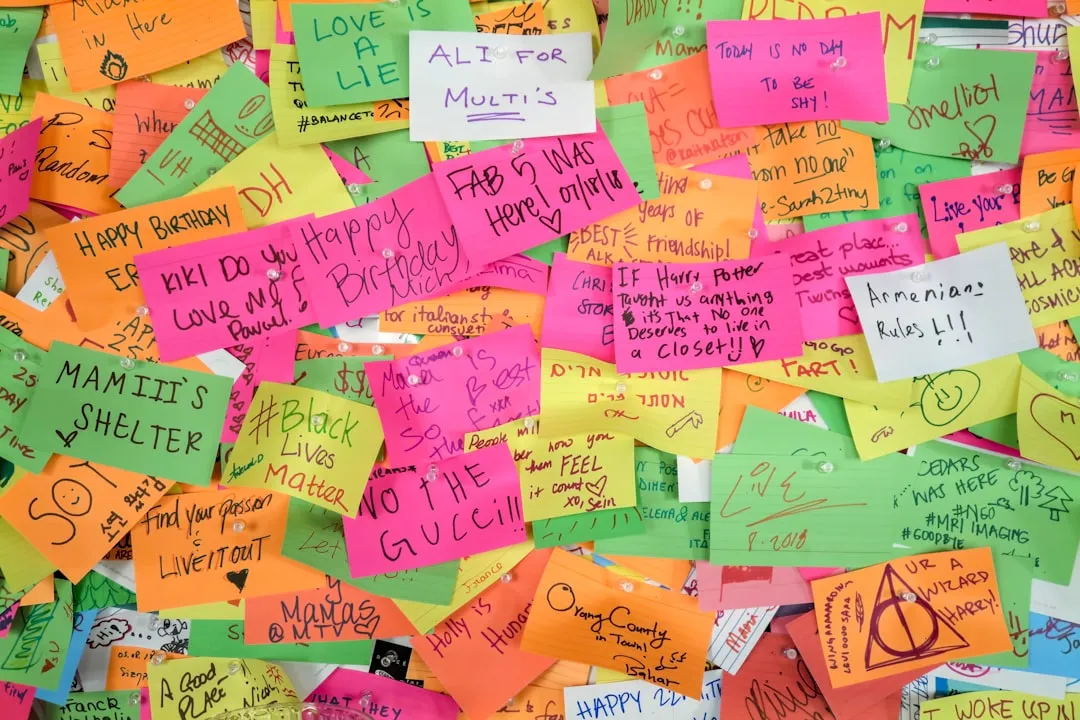
- Dedicated Digital Kudos Wall: Use a Slack channel, Teams space, or intranet page to create a public forum for praise. This transparency allows everyone to see and celebrate good work happening across the company.
- Handwritten Notes: A personal, handwritten note of thanks can have a powerful emotional impact in a digital world, often becoming a lasting reminder of appreciation.
- LinkedIn Endorsements: Publicly acknowledge a colleague's skills on their professional profile. It's a form of recognition that boosts their personal brand and follows them in their career.
- Meeting Shout-Outs: Dedicate five minutes in team meetings for peer recognition. This sets a positive tone and reinforces valued behaviors in a public setting.
- Private Thanks: A thoughtful direct message or one-on-one conversation can be incredibly impactful, especially for introverted team members who may prefer private praise.
- Peer-Nominated Awards: Create fun, quarterly awards like "Collaboration Champion" that colleagues nominate and vote on. Zappos found success with this model, offering small monetary rewards alongside the honor.
- Spotlight Features: Highlight an employee or team in the company newsletter or on the intranet. This helps colleagues learn more about each other and gives recognition staying power.
- Coffee Chats with Leadership: Offer recognized employees informal face time with senior leaders to share ideas and feel heard by decision-makers.
For more creative recognition ideas, explore our Peer-to-Peer Recognition Activities.
Tangible Peer to Peer Rewards and Experiences They'll Talk About
While heartfelt words are crucial, tangible rewards and experiences add another memorable layer of appreciation.
- Point-Based Systems: Allow employees to earn points for recognition that they can redeem for gift cards, swag, or charitable donations. This gives them the flexibility to choose rewards they truly value.
- Team Lunches and Outings: Celebrate collective achievements with a catered lunch or team-building activity to create shared positive memories and strengthen bonds.
- Professional Development Opportunities: Offer funds for courses, conferences, or certifications to show you're invested in an employee's long-term growth.
- Wellness Stipends: Provide support for gym memberships, mental health apps, or wellness classes to show you care about your team's well-being beyond the office.
- Custom Company Swag: Go beyond basic branded items with high-quality tech accessories or premium apparel that employees are proud to use.
- Extra PTO Days: Give the gift of time. A surprise paid day off or a "Flex Friday" is a highly valued reward that improves work-life balance.
- Peer Bonus Programs: Allow employees to give small monetary bonuses (e.g., $5-$50) to teammates, adding real value to recognition, similar to Google's successful model.
- Experiential Rewards: Create lasting memories with concert tickets, cooking classes, or spa days that cater to individual interests.
Unlike traditional platforms like Bonusly or Kudos that focus primarily on recognition mechanics, the most effective peer to peer rewards programs integrate these approaches into a cohesive experience.
For deeper insights into reward platforms, check out our Employee Reward Platforms.
Putting It All Together: Measure, Manage, and Maximize Your Program
An effective peer to peer rewards program requires ongoing attention and measurement to reach its full potential.
Measure success by tracking program adoption rates, recognition frequency, and leader participation. These metrics reveal if appreciation is becoming an embedded part of your culture. Also, monitor budget utilization and analyze how the program impacts key HR metrics like engagement and retention. Regular employee feedback surveys will provide crucial qualitative insights.
Many programs fail due to unclear objectives or over-complexity. The best initiatives remain simple and avoid focusing solely on monetary rewards, which can lack the emotional impact of genuine appreciation.
Give River's 5G Method offers a comprehensive approach that goes beyond traditional recognition platforms. We integrate Gratitude (effortless appreciation), Guidance (connecting recognition to growth), Gamification (driving adoption), Growth (turning praise into development), and Generosity (linking rewards to community impact).
This integrated system creates a "game of good deeds," where every act of appreciation contributes to individual fulfillment, team cohesion, and community impact. It addresses the full spectrum of what makes work meaningful.

A thoughtfully designed peer to peer rewards program transforms workplaces into communities where everyone feels valued. It's an investment that pays dividends in engagement, retention, and bottom-line results. Ready to lift your recognition strategy? Explore how Give River's Recognition Platform can help you build a culture where appreciation thrives.
More from this category.
Best Employee Recognition Software for Nonprofits (2026)
What nonprofits need from recognition software, what six platforms charge mission-driven teams, and how to get a grant-funded Season of Give River for free.

Employee Recognition Software Pricing in 2026: What 6 Platforms Charge
What Give River, Bonusly, Motivosity, Nectar, Awardco, and Workhuman charge in 2026, from their own sites: pricing models, minimums, fees, and contract terms.

How to Improve Employee Recognition Across Multiple Locations
Six practical ways to make recognition reach every site and shift, what to look for in a platform, and how a 25-location nonprofit did it.
See the platform in action.
Free for up to 25 members, or try Core or Growth free for 30 days. A card is required; Free is never charged, and a trial bills when it ends unless you cancel.