Why Remote Trust Building Is Critical for Team Success
Remote trust building exercises are structured activities designed to foster psychological safety, connection, and reliability among distributed team members. While the remote work revolution brought flexibility, it also created a new…

Remote trust building exercises are structured activities designed to foster psychological safety, connection, and reliability among distributed team members. While the remote work revolution brought flexibility, it also created a new challenge: building genuine trust across screens.
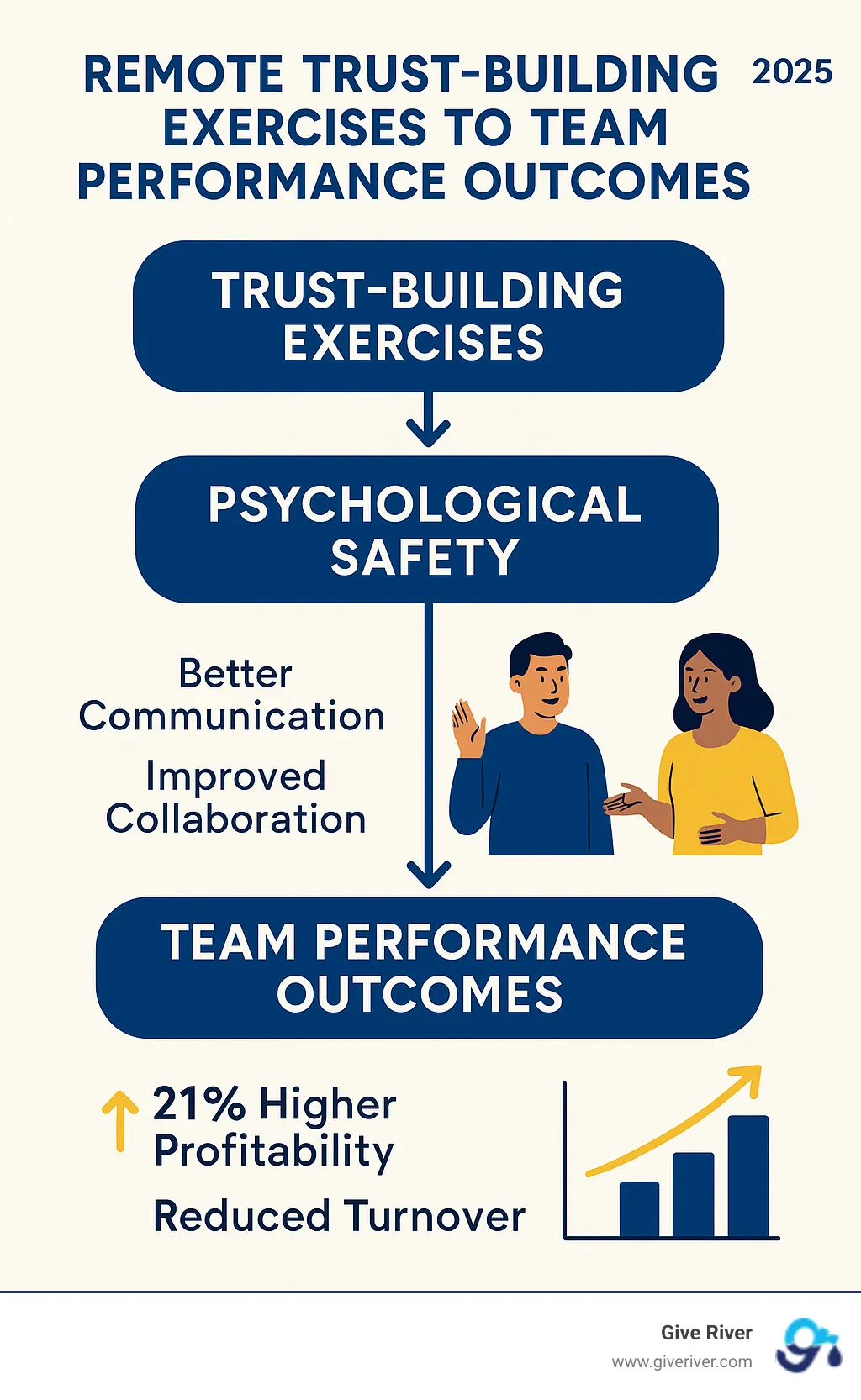
When team members can't share spontaneous coffee conversations or read body language, physical separation can lead to mental separation. This hurts collaboration, innovation, and your bottom line. The data is clear: highly engaged teams demonstrate 21% greater profitability, but remote teams often struggle with the trust that makes engagement possible.
Trust in remote teams isn't just a feel-good metric—it's a performance driver. Teams with strong trust see measurable improvements in productivity, retention, and problem-solving. Unlike in-person activities, remote trust building requires intentional strategies that work through digital tools.
The good news is that you don't need expensive retreats. While recognition platforms like Bonusly and Kudos are a great starting point, they primarily focus on one aspect of engagement. Deeper trust is built when recognition is combined with structured remote trust building exercises and ongoing practices. At Give River, our platform is designed to facilitate this holistic approach, creating the psychological safety and genuine connection that changes teams from functional to exceptional, even when they're miles apart.
Know your remote trust building exercises terms:
- organizational culture in virtual teams
- team bonding exercises on zoom
- fun ice breaker questions for virtual meetings
The Foundation of Connection: Quick Remote Trust Building Exercises
In a remote setting, the spontaneous chats that build rapport in an office don't exist. This creates a "connection gap" where colleagues may not know each other as people. Intentional remote trust building exercises bridge this gap, turning professional collaborators into a connected team.
5-Minute Connectors: Building Rapport in a Rush
Quick connection moments make meetings more productive by helping team members feel seen and valued. Start your calls with one of these simple activities:
- Two Truths and a Lie: A classic icebreaker where each person shares three statements, and the team guesses the lie. It’s a fun way to reveal surprising facts and spark conversation.
- Rose & Thorn Check-ins: Team members share a recent success (rose) and a current challenge (thorn). This builds authentic vulnerability and allows the team to offer support and congratulations.

- Virtual Show & Tell: Ask everyone to share an object from their desk or home. Hearing the story behind a personal item creates lasting impressions and humanizes colleagues.
- Emoji Mood Boards: A quick, visual way for team members to share their current emotional state using a few emojis, fostering empathy without needing a long explanation.
For more ideas, explore our collection of Fun Ice Breaker Questions for Virtual Meetings.
Deeper Dives: Fostering Vulnerability and Understanding
Lasting trust requires moving beyond surface-level pleasantries to build both emotional bonds (affective trust) and confidence in each other's competence (cognitive trust).
- Personal User Manuals: Each person creates a short guide on how to best work with them, covering communication styles, feedback preferences, and peak productivity times. This eliminates guesswork and prevents misunderstandings.
- Birth Map: Team members mark their origins and journeys on a shared virtual map. This activity transforms geography into storytelling and often reveals surprising connections and shared experiences.
- Unusual Things in Common: Challenge small groups to find three genuinely uncommon similarities. This pushes people to dig deeper than typical small talk, creating stronger micro-connections.
Research on eye contact and connection shows it builds trust, and encouraging team members to look at their cameras during calls can increase this sense of connection. These deeper activities require vulnerability, but that's what makes them powerful. When team members share meaningful aspects of their backgrounds, it builds the psychological safety essential for great teamwork. Learn more about fostering this environment in our guide to Organizational Culture in Virtual Teams.
Collaborative Challenges: Building Trust Through Teamwork
Trust is also about having confidence in each other's ability to get things done. These challenges let teams practice problem-solving in a low-stakes, enjoyable way.
- Back-to-Back Drawing: One person describes an image while their partner tries to draw it sight-unseen. It’s a fun and effective lesson in clear communication.
- Virtual Escape Rooms: Teams work together under pressure to solve puzzles within a time limit, building confidence in each other's problem-solving skills.
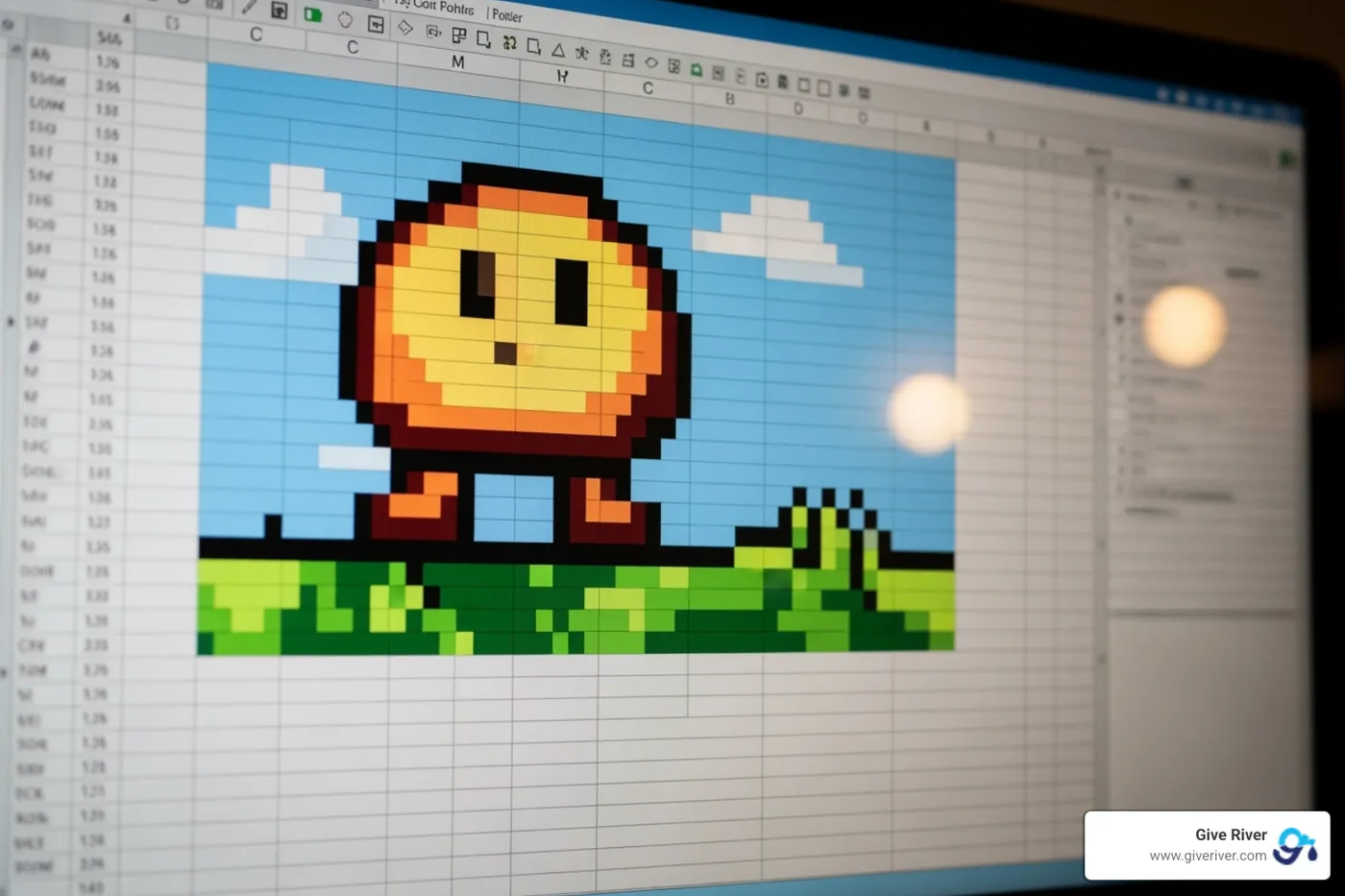
- Spreadsheet Pixel Art: A surprisingly engaging activity where teams coordinate to create an image by coloring cells in a shared spreadsheet, reinforcing attention to detail and collaboration.
These collaborative exercises create positive shared experiences that prove teams can rely on each other. For more ideas, explore our guide to Digital Team Building Activities.
How to Run Remote Trust Building Exercises That Aren't Cringey
We've all experienced awkward team-building sessions. The difference between meaningful remote trust building exercises and cringe-worthy ones lies in thoughtful facilitation. The goal is to create an environment where authentic connection can flourish naturally.
Model vulnerability. As a leader, you set the tone. Go first in sharing a personal story, a challenge, or a mistake. Research shows 28% of people believe admitting shortcomings is a highly effective way to build trust. When you model vulnerability, you give others permission to be human.
Secure team buy-in. Don't force "mandatory fun." Instead, invite your team into the planning process. Ask what types of activities they prefer—problem-solving, creative, or conversational. When people have a voice, they become invested co-creators.
Set clear goals. Eliminate the "why are we doing this?" feeling by explaining the purpose. A quick thirty-second intro on whether you're practicing communication, building empathy, or strengthening problem-solving makes the activity feel valuable, not frivolous.
Make participation optional. Strike a balance between inclusion and respect for comfort levels. Encourage involvement but allow people to participate as they feel comfortable. This ensures engagement is genuine.
Focus on psychological safety. Every activity should happen in an environment where people feel safe to be themselves without judgment. This means setting ground rules, encouraging curiosity, and modeling supportive behavior.
When trust-building feels natural and valuable, it stops being an obligation and becomes a genuine opportunity for deeper connection and stronger collaboration.
From Connection to Performance: The ROI of a High-Trust Team
Investing time in remote trust building exercises isn't just about creating warm feelings—it's about driving measurable business results. When team members trust each other, communication is more direct, collaboration flows naturally, and problems get solved faster.
The Tangible Benefits of Trust
The numbers tell a compelling story. High-trust teams see:
- Increased Profitability: A 21% boost in engagement from connected teams translates directly to revenue by reducing friction and wasted energy.
- Higher Productivity: When people feel connected, they can focus on work instead of navigating interpersonal tensions. "Perceived proximity" matters more than physical location.
- Lower Turnover: In high-trust environments, people feel valued and understood, making them more likely to stay. This is critical when 27% of disconnected employees leave within their first year.
- Improved Innovation: Psychological safety encourages team members to share half-formed ideas and challenge the status quo, fueling creative problem-solving.
- Improved Employee Well-being: Genuine connection reduces the isolation of remote work, lowering stress and increasing resilience.

Sustaining Trust in a Distributed World
One-off activities aren't enough. The real magic happens when trust-building becomes part of your team's daily rhythm.
Successful remote teams move beyond quarterly events by integrating connection into their regular workflow. This includes:
- Consistent one-on-one meetings where managers truly listen.
- Transparent decision-making that explains the "why" behind changes.
- Reliable follow-through that proves words match actions.
- Continuous recognition where peer-to-peer appreciation is a daily habit.
While platforms like Bonusly and Kudos are excellent for peer-to-peer recognition, this is just one piece of the trust puzzle. Sustainable trust requires a more holistic approach. Give River differs by integrating recognition with other key drivers of connection through our 5G Method: gratitude, guidance, growth, gamification, and generosity. By combining recognition with wellness, development, and community impact, we help you build the deep, multifaceted relationships that make remote teams thrive.
Building trust is about creating consistent opportunities for your team to see each other as whole human beings. Get that foundation right, and performance will follow.
More from this category.

Understanding Workplace Culture
Improve workplace culture by focusing on key elements that lead to a more engaging and fulfilling work environment. Company culture isn't just an HR buzzword; it's the heartbeat of any thriving organization. It shapes how employees feel,…

Why Building a Strong Volunteer Culture Is Critical for Your Organization's Success
Creating a volunteer culture goes beyond filling positions; it's about cultivating an environment where volunteers feel valued, connected to your mission, and empowered to make a meaningful impact.

Why Workplace Aspiration Is the Missing Link in Employee Engagement
Knowing how to empower the aspiration in the workplace is one of the most high-leverage things a leader or HR professional can do in 2026 — and most organizations are still getting it wrong.
See the platform in action.
Free for up to 25 members, or try Core or Growth free for 30 days. A card is required; Free is never charged, and a trial bills when it ends unless you cancel.