Why Online Volunteering Matters for Today's Young Leaders
Online volunteer opportunities for minors have transformed how young people engage with causes they care about, removing geographical barriers and opening doors to global impact from home. Here are the top platforms and opportunities for…

Online volunteer opportunities for minors have transformed how young people engage with causes they care about, removing geographical barriers and opening doors to global impact from home. Here are the top platforms and opportunities for minors to volunteer digitally:
Top Online Volunteer Opportunities for Minors:
- Smithsonian Digital Volunteers - Transcribe historical documents (ages 13+)
- Zooniverse - Contribute to real scientific research projects (all ages)
- Be My Eyes - Assist blind and low-vision individuals via video calls (ages 13+)
- Best Buddies e-Buddies - Email friendship program for individuals with disabilities (ages 13+)
- Learn to Be - Provide free online tutoring to underserved students (ages 14+)
- TED Translators - Translate TED Talks into multiple languages (ages 18+, but some exceptions)
- Crisis Text Line - Staff crisis hotlines after training (ages 18+)
- TeensGive.org - Virtual tutoring for Title 1 school students (high school age)
- Tarjimly - On-demand translation for refugees and immigrants (ages 16+)
- Operation Gratitude - Write thank-you letters to military personnel and first responders (all ages)
The shift to digital volunteering is more than a convenience; it reimagines how young people create meaningful change. Traditional volunteering often requires transportation and rigid time commitments that can exclude busy students. Virtual roles remove these barriers, allowing a student in rural Montana to transcribe historical documents for the Smithsonian or a bilingual teen in Texas to provide real-time translation for refugees.
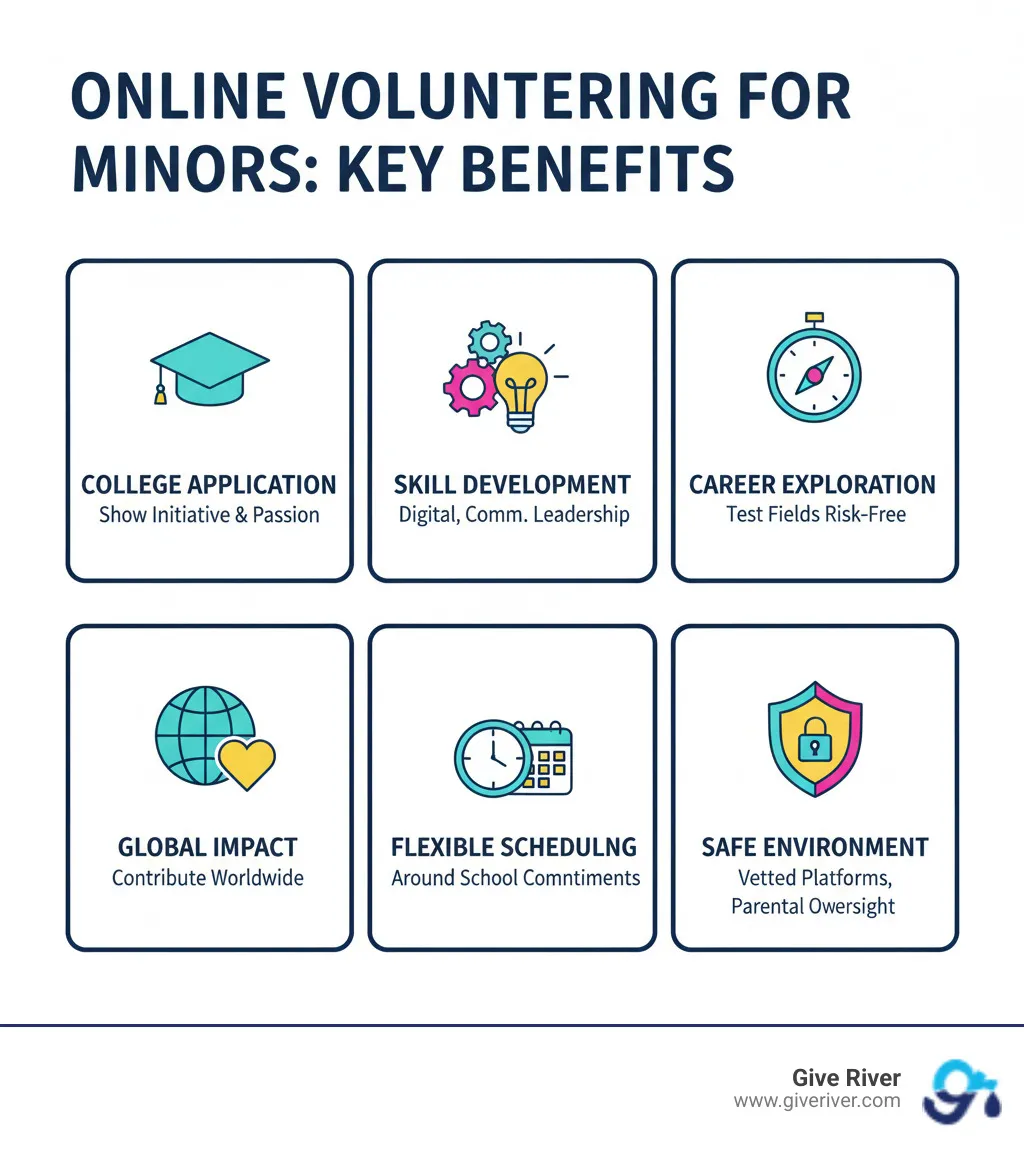
Beyond the immediate impact, young volunteers develop critical skills that traditional education often overlooks: digital literacy, cross-cultural communication, and remote collaboration—exactly the competencies that define success in today's workplace. Digital volunteering also allows minors to explore potential career paths, build professional networks, and demonstrate initiative on college applications, all while making a genuine difference. A teen who spends a year providing online tutoring isn't just helping younger students; they're finding if education is their calling.
As Meghan Calhoun, Co-Founder of Give River, I've seen how early exposure to meaningful service—including online volunteer opportunities for minors—shapes future leaders who prioritize purpose alongside performance. This guide will walk you through finding, vetting, and succeeding in digital volunteer roles that build skills and serve communities.
Your Guide to Finding Online Volunteer Opportunities for Minors
The 'Why': Benefits and Skills Gained from Virtual Volunteering
While many extracurriculars are framed as a way to pad college applications, online volunteer opportunities for minors deliver something far more valuable: transformative experiences. Admissions officers and employers look for initiative, empathy, and commitment. Experiences like translating for refugees through Tarjimly or classifying wildlife on Zooniverse tell a compelling story of passion that manufactured résumé-builders can't match.
Virtual volunteering also offers risk-free career exploration. A teen passionate about environmental science can analyze camera trap footage for Instant Wild to see if field research excites them. A student considering medicine can volunteer with Be My Eyes, experiencing the impact of helping others while developing crucial communication skills. These are real-world tests that inform future decisions without long-term pressure.
The personal benefits are significant. Research from the University of Maryland's Center for Healthy Families shows that volunteering improves mental health and well-being. When a teen sees their work transcribing Smithsonian documents helps global researchers, or their tutoring session clarifies a difficult concept for a student, they build confidence by knowing they've made a difference.
Minors also develop in-demand skills like digital literacy from navigating collaboration platforms, communication skills from crafting advocacy posts or tutoring, and problem-solving abilities from identifying human rights violations for Amnesty International's Decoders program. Perhaps most importantly, these experiences cultivate empathy and global awareness. Providing real-time translation for a refugee family or writing letters to isolated seniors through Love For Our Elders confronts global issues with compassion, not just theory.
This is where the purpose of youth volunteering diverges from typical corporate tools. While internal platforms like Bonusly or Kudos excel at helping employees recognize each other's contributions within a company, online volunteer opportunities for minors point outward, connecting young people to broader societal challenges. This external focus builds a foundation for future Community Involvement Programs and develops a sense of purpose that transcends individual achievement.
Exploring Different Types of Online Volunteer Opportunities for Minors
The beauty of digital volunteering is its variety. There's a virtual role for every interest.

- STEM and Citizen Science: Platforms like Zooniverse allow teens to contribute to real research by classifying galaxies, identifying animal species, or transcribing historical weather data. Mozilla invites tech-savvy teens to contribute to open-source projects.
- History and Archives: Through Smithsonian Digital Volunteers, teens transcribe handwritten field notes and historical correspondence. The National Archives' Citizen Archivist program offers similar opportunities to make public records more accessible.
- Social Impact and Advocacy: Be My Eyes connects volunteers with blind and low-vision individuals for real-time video assistance. Best Buddies' e-Buddies fosters friendships with individuals with developmental disabilities via email. Operation Gratitude and Love For Our Elders organize letter-writing campaigns for military members and isolated seniors, respectively.
- Education and Tutoring: TeensGive.org connects high school volunteers with younger students in Title 1 schools for virtual tutoring. Learn to Be provides free one-on-one online tutoring to underserved communities. Bookshare and Learning Ally rely on volunteers to create accessible audiobooks.
- Environmental Causes: Instant Wild lets volunteers tag animals in camera trap footage to help protect endangered species. The Sierra Club and other environmental groups often need digital advocacy and data entry support.
To start your search, use these platforms: VolunteerMatch filters for remote teen opportunities, DoSomething.org designs youth-focused campaigns, Idealist offers a global database of roles, Points of Light Engage categorizes opportunities by cause, and Youth Volunteer Corps (YVC) has an online service hour program.
Staying Safe: Best Practices for Online Volunteer Opportunities for Minors
Safety is paramount in the digital world. Apply the same vigilance online as you would offline.
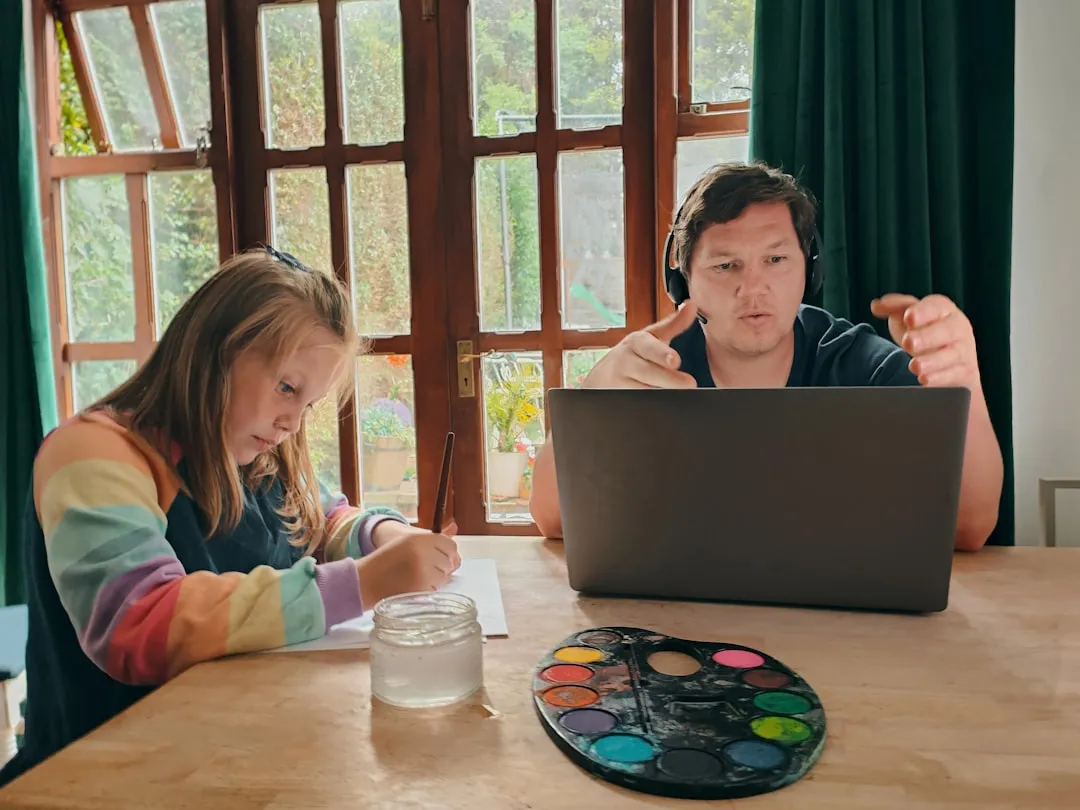
- Vet Organizations: Legitimate nonprofits have clear missions and transparent operations. Platforms like VolunteerMatch and DoSomething.org pre-screen organizations, but always do your own research. Understanding an organization's approach to Social Responsibility Meaning and Definition ensures their values align with yours.
- Check Age Requirements: These exist for legal and safety reasons. Always confirm the minimum age (often 13, 14, or 16) before applying.
- Require Parental Consent: Reputable programs require signed permission. Parents should stay involved, review privacy policies, and understand the scope of work.
- Protect Personal Information: Teens should never share sensitive details like their home address or specific school name. All communication should occur through official, secure channels. A request to connect on personal social media is a red flag.
- Verify Service Hours: If your teen needs to document hours for school, confirm the process upfront. Most programs readily provide certificates or sign forms.
Navigating Common Challenges in Digital Volunteering
Digital volunteering has its problems, but every obstacle has a solution.
- Screen Time Fatigue: To combat this, encourage short, focused sessions (30-45 minutes) with breaks. Many tasks, like writing letters for Operation Gratitude, can be done in brief bursts or even planned offline.
- Lack of In-Person Connection: Seek out team-based projects. Platforms like Digital4Good + #ICANHELP organize virtual team meetings, allowing volunteers to build friendships with peers. Many organizations also host online forums or group chats.
- Staying Motivated on Solo Tasks: Set clear, achievable goals for each session, such as "transcribe five documents" or "classify ten animals." This creates a sense of accomplishment. Regular check-ins with volunteer coordinators can also provide encouragement.
- Ensuring Real Impact: Choose organizations that are transparent about their results. Before committing, ask: "How do you measure volunteer impact?" Programs that clearly communicate how contributions matter are often the best fit.
Conclusion: Start Your Digital Changemaking Journey
The world of online volunteer opportunities for minors offers unprecedented access to meaningful service that shapes both communities and futures. From transcribing historical documents for the Smithsonian to tutoring a struggling student, the digital landscape has democratized the ability to make a difference.
The benefits are immense. Through virtual volunteering, minors develop critical workplace skills like digital fluency, remote collaboration, and problem-solving. These experiences strengthen college applications, but more importantly, they build character and cultivate empathy, helping young people understand that fulfillment comes from contributing to something larger than themselves.
This understanding of purpose-driven work is invaluable. While employee recognition platforms like Bonusly and Kudos effectively foster appreciation within a company, they are primarily internally focused. The experience gained through online volunteer opportunities for minors creates a deeper foundation—an understanding that work at its best serves both organizational goals and community needs. This is the core difference in our philosophy at Give River. Unlike platforms focused solely on internal recognition, we've built our platform to integrate appreciation with tangible giving back, helping companies create cultures where recognition and community impact are two sides of the same coin.
The path forward is clear. You don't need to wait for the perfect opportunity. Start small with an hour a week on platforms like VolunteerMatch or DoSomething.org. The important thing is to begin.
Your digital changemaking journey starts with a single click. As you grow in your career, carry this spirit of service with you. Find how to build a culture of Charitable Impact in your future workplace, where giving back is a core value that drives both personal fulfillment and organizational success. The world is waiting for what you have to offer—so why not start today?
More from this category.
The Importance of Community Involvement
Community involvement programs are the heartbeat of social wellbeing, changing neighborhoods into collaborative and vibrant spaces. At their core, these programs enable both individuals and businesses to meaningfully participate in…

Recognition Software With Charitable Giving (2026): 6 Platforms Compared
Most recognition platforms let employees donate their rewards. Six compared on donations, company match, causes, and volunteering, from each vendor's own site.
Why Community Involvement Grants Matter for Your Organization's Impact
Community involvement grants provide essential funding to help organizations—from nonprofits and schools to businesses—create meaningful change. These grants can feel overwhelming to steer, but they offer a powerful way to address critical…
See the platform in action.
Free for up to 25 members, or try Core or Growth free for 30 days. A card is required; Free is never charged, and a trial bills when it ends unless you cancel.