The ROI of a Positive Team Environment: Why Culture Is Your Competitive Edge
In the business landscape of April 2026, we’ve moved past the idea that culture is a "soft" metric. It is now a hard financial indicator. Organizations in the top quartile for organizational health are nearly three times more likely to…
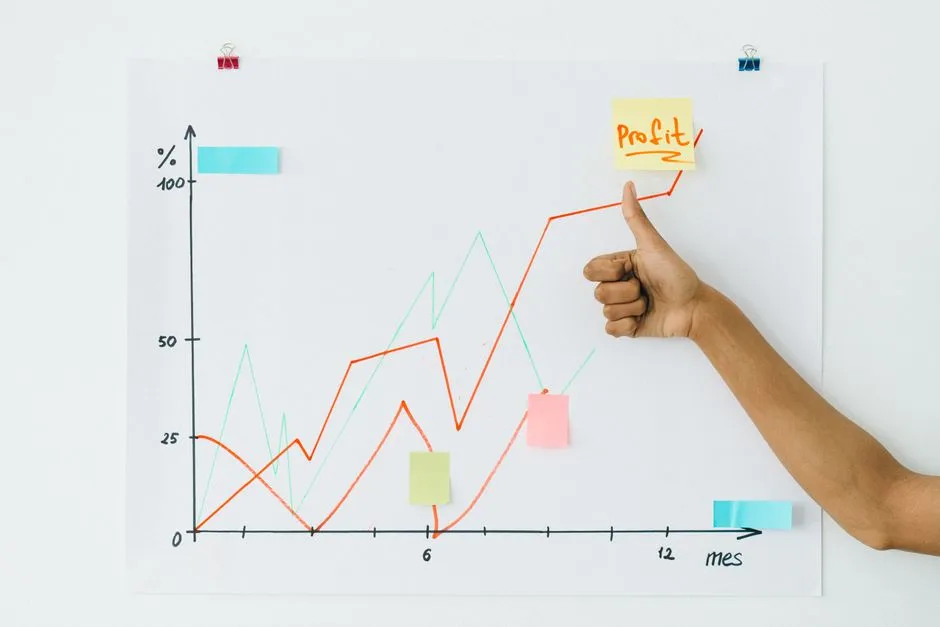
In the business landscape of April 2026, we’ve moved past the idea that culture is a "soft" metric. It is now a hard financial indicator. Organizations in the top quartile for organizational health are nearly three times more likely to deliver superior long-term performance compared to their peers. This isn’t just about being "nice"; it’s about creating a positive team environment that functions as a high-performance engine.
When we look at the numbers, the impact is staggering. Businesses with strong employee engagement enjoy a reduction in accidents by 63%, a 71% reduction in absenteeism, and an improvement in customer loyalty by 10%. Furthermore, organizations that prioritize workplace culture experience a 33% increase in revenue growth. These aren't just marginal gains; they are the difference between industry leaders and those struggling to survive.
To understand why this happens, we can look at the Broaden and Build Theory. This psychological framework suggests that positive emotions—like those found in a healthy team—broaden a person's "thought-action repertoire." In simpler terms: happy people are more creative, better at problem-solving, and more flexible in their thinking. Conversely, stress and negativity trigger a "fight or flight" response that narrows focus and kills innovation.
We also utilize the PERMA model, which identifies five essential elements for well-being: Positive Emotion, Engagement, Relationships, Meaning, and Accomplishment. A positive team environment touches every one of these pillars. While platforms like Bonusly or Kudos offer great tools for specific shout-outs, Give River differentiates itself by moving beyond transactional peer-to-peer recognition. We believe a truly winning culture requires a holistic approach that integrates these psychological principles into daily workflows, ensuring that recognition is tied to deeper organizational health rather than just point-based rewards. For a deeper dive into these mechanics, check out our Workplace Culture Importance Guide.
Leadership as the Catalyst for a Positive Team Environment
Culture doesn't happen by accident; it is a reflection of leadership. To inspire a team, leaders must first become positive role models. This starts with Emotional Intelligence (EQ)—the ability to manage your own emotions and empathize with others. If a leader is stressed, cynical, or dismissive, that energy will ripple through the entire department.
One practical tool we recommend for leaders is a Personal SWOT Analysis. By identifying your own strengths, weaknesses, opportunities, and threats, you can lead from a place of self-awareness. Are you a "Big Picture Thinker" who needs to be paired with an "Organized Note-taker"? Recognizing these gaps allows you to build a diverse team where complementary skills thrive.

We also encourage the MPS Process (Meaning, Pleasure, Strengths). Ask yourself:
- What gives my work Meaning?
- What gives me Pleasure?
- What are my Strengths?
When leaders find the intersection of these three, they show up with an authentic enthusiasm that is contagious. This leadership style is essential for effective Workplace Mentorship Software implementation, as it creates the trust necessary for mentors and mentees to truly connect.
Building Trust Through Open Communication
Trust is the bedrock of a positive team environment. Without it, employees hold back ideas for fear of being judged or penalized. This concept, known as psychological safety, is the single most important factor in high-performing teams.
To build this, we must move beyond "open door policies" (which often just mean the door is open but no one feels safe walking through it) and toward active feedback loops. This involves:
- Active Listening: Suspending judgment and giving undivided attention.
- Transparency: Sharing the "why" behind decisions, even when the news is imperfect.
- Feedback Loops: Creating regular, predictable opportunities for two-way communication.

We often suggest starting meetings with a "win" or a "shout-out" to set a positive tone. Managing meetings effectively—with clear agendas and a focus on solutions rather than just admiring the problem—also respects your team's time and reduces frustration. For more on this, explore our guide on How to Build a Good Team Culture.
Aligning Values and Expectations for Shared Success
A positive team environment requires a shared map. If your team members don't know where they are going or what the rules of the road are, anxiety will naturally fill the void. This starts with a Team Charter—a document co-created by the team that defines your values, mission, and "ground rules" for behavior.
Setting SMART goals (Specific, Measurable, Achievable, Relevant, and Time-bound) ensures everyone knows what success looks like. But goals alone aren't enough; they must be aligned with the company’s broader vision. When an employee understands how their specific task contributes to the "Big Picture," they find purpose in their work.
Furthermore, promoting diversity, equity, and inclusion (DEI) is not just a moral imperative; it’s a performance booster. Diverse teams bring varied perspectives that prevent groupthink and enhance problem-solving. By setting clear expectations around inclusive language and behavior, you ensure that every team member feels they belong. This is the foundation of a Winning Workplace Culture.
The Role of Recognition and Professional Growth
If you want to sustain positivity, you must feed it. Human beings have an innate need to be seen and appreciated. Interestingly, Gallup research shows that employees who have a "best friend" at work are 44% more likely to recommend their employer. This camaraderie is often built through shared recognition and celebration.
Meaningful recognition should be:
- Timely: Don't wait for the annual review to say "good job."
- Specific: Highlight exactly what behavior was impactful.
- Tied to Values: Reward actions that reflect your team's core principles.
Beyond simple praise, professional growth is a massive driver of a positive team environment. When people feel they are stagnating, they become disengaged. Providing learning budgets, mentorship opportunities, and clear career paths shows your team that you are invested in their future, not just their current output. Check out our Employee Recognition Action Plan Complete Guide and our Employee Appreciation Engagement Guide for actionable frameworks on building these systems.
Overcoming Roadblocks to Team Positivity
Even the best teams hit bumps in the road. The key is to address negativity and conflict immediately before they become toxic. We often look to Herzberg’s Motivators and Hygiene Factors. "Hygiene factors" are things like pay, working conditions, and company policies. If these are poor, they cause dissatisfaction. However, improving them doesn't necessarily create satisfaction—it just removes the negatives. To build true positivity, you must add "motivators" like achievement, recognition, and growth.
Another useful tool is the Betari Box, which illustrates how our attitudes affect our behaviors, which in turn affect the attitudes and behaviors of those around us. If a leader approaches a conflict with a negative attitude, the team member will likely mirror it, creating a "vicious cycle." By consciously choosing a positive, solution-oriented attitude, you can break the cycle.
To prevent burnout, consider implementing:
- Meeting-Free Days: Allowing for deep, focused work.
- No-Contact Hours: Respecting boundaries after the workday ends.
- Flexible Work: Acknowledging that nine in 10 remote-capable employees prefer hybrid or flexible arrangements.
Measuring the Success of Your Positive Team Environment
How do you know if your efforts are working? You can't manage what you don't measure. While "vibe" is important, we recommend tracking specific metrics to gauge the health of your environment.
| Metric | High-Positivity Team | Low-Positivity Team |
|---|---|---|
| Retention Rate | 90% + | < 70% |
| eNPS (Employee Net Promoter Score) | +50 to +70 | Negative to +10 |
| Absenteeism | Low (occasional illness) | High (frequent "mental health" days) |
| Productivity | Consistently hits/exceeds goals | Struggles with deadlines |
| Customer Loyalty | High referral rates | High churn / complaints |
Regular, anonymous pulse surveys are an excellent way to gather honest feedback. If you see a dip in your scores, it’s an invitation to have an open conversation with the team. For more strategies on moving these needles, see our guide on how to Boost Employee Engagement.
Conclusion: Building Your Winning Culture with Give River
Creating a positive team environment isn't a "one-and-done" project; it's a daily practice of gratitude, growth, and intentionality. As we’ve seen, the benefits—from a 33% revenue increase to a 71% reduction in absenteeism—are too significant to ignore.
To recap, building a winning culture requires:
- Leading by Example: Using EQ and self-awareness to set the tone.
- Radical Transparency: Building trust through open communication and psychological safety.
- Intentional Recognition: Celebrating wins and fostering professional development.
- Removing Friction: Addressing hygiene factors and conflict head-on.
At Give River, we’ve codified these principles into our 5G Method, which provides a more comprehensive framework than platforms like Bonusly or Kudos by focusing on the whole employee experience:
- Guided: Providing clear direction and mentorship.
- Gamified: Making growth and recognition engaging and fun.
- Gratitude: Creating a culture where everyone feels seen.
- Growth: Investing in the professional and personal well-being of every member.
- Generosity: Connecting team success to broader community impact.
The average person spends 90,000 hours at work. Our mission is to ensure those hours are spent in an environment that fuels fulfillment rather than exhaustion. When your team wins, your business wins—and it all starts with the culture you build today.
Start building your positive team environment today with Give River
More from this category.
Why Most Work Meetings Start on the Wrong Foot (And How to Fix It)
The best 2 truths and a lie ideas for work can transform an awkward, silent meeting opener into a moment your team actually looks forward to. Whether you're onboarding new hires, kicking off a remote all-hands, or just trying to shake off…

The Trust Deficit in Remote Work
Building trust in a virtual team is a critical challenge for modern organizations. While remote work offers flexibility, it can erode team cohesion if not managed intentionally.

Why Connection Building Activities Are the Secret to High-Performing Teams
Connection building activities are structured exercises that help teams develop trust, improve communication, and foster genuine relationships at work — and they're one of the most overlooked drivers of team performance.
See the platform in action.
Free for up to 25 members, or try Core or Growth free for 30 days. A card is required; Free is never charged, and a trial bills when it ends unless you cancel.