The 2026 Skills Gap Is Here - Is Your Team Ready?
Workforce upskilling solutions are structured programs, platforms, and strategies that help organizations systematically develop employee skills to meet current and future business demands. Here's a quick overview of what they typically…
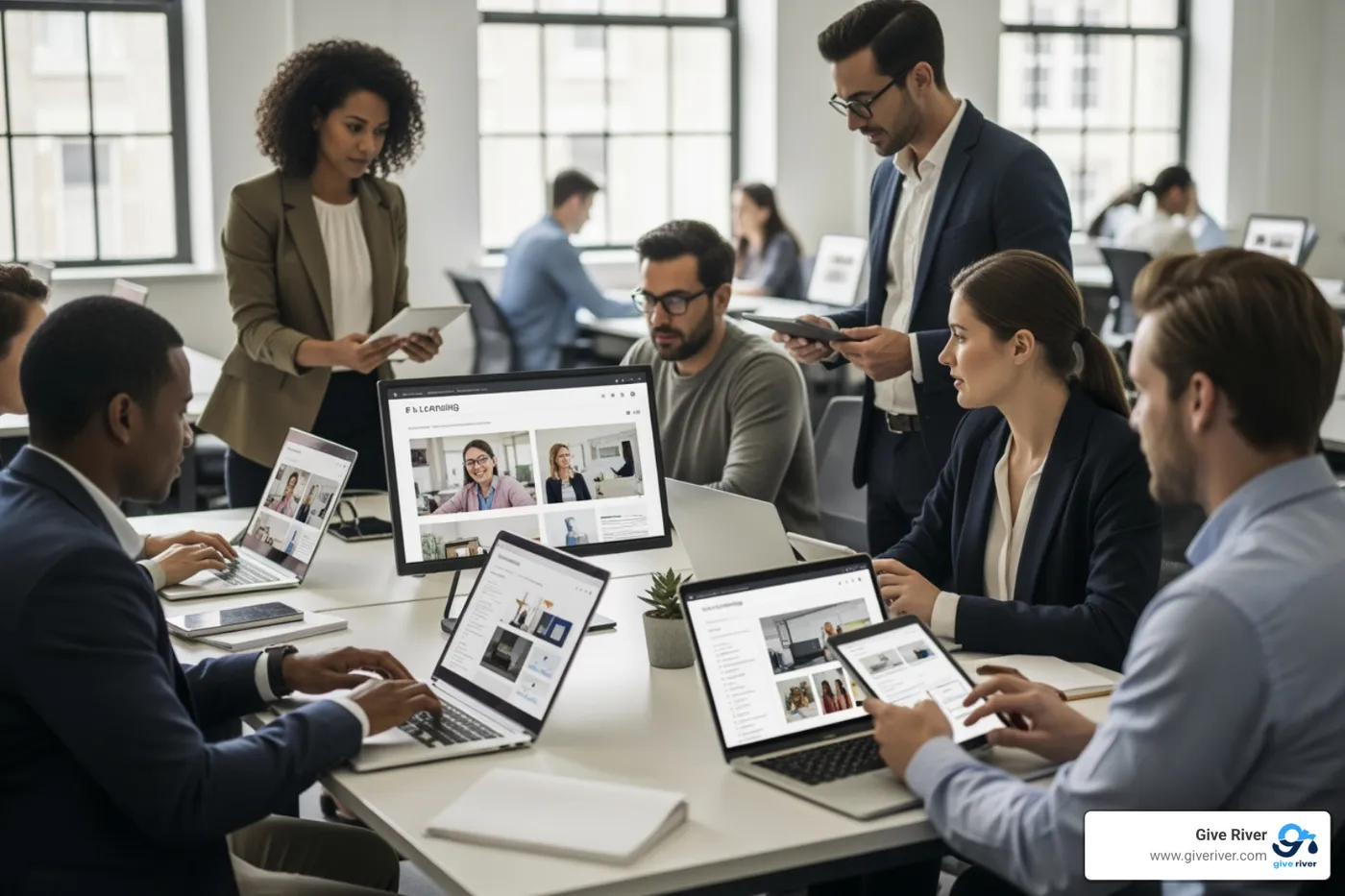
Workforce upskilling solutions are structured programs, platforms, and strategies that help organizations systematically develop employee skills to meet current and future business demands. Here's a quick overview of what they typically include:
- Skill gap analysis - identifying where employee capabilities fall short of role requirements
- Personalized learning paths - AI-guided or curated courses matched to each employee's role and goals
- Delivery formats - micro-learning, cohort programs, apprenticeships, certifications, and degrees
- Manager tools - coaching frameworks and development planning support
- ROI tracking - dashboards measuring engagement, skill attainment, and retention impact
- Funding support - grants and state programs that offset training costs for eligible businesses
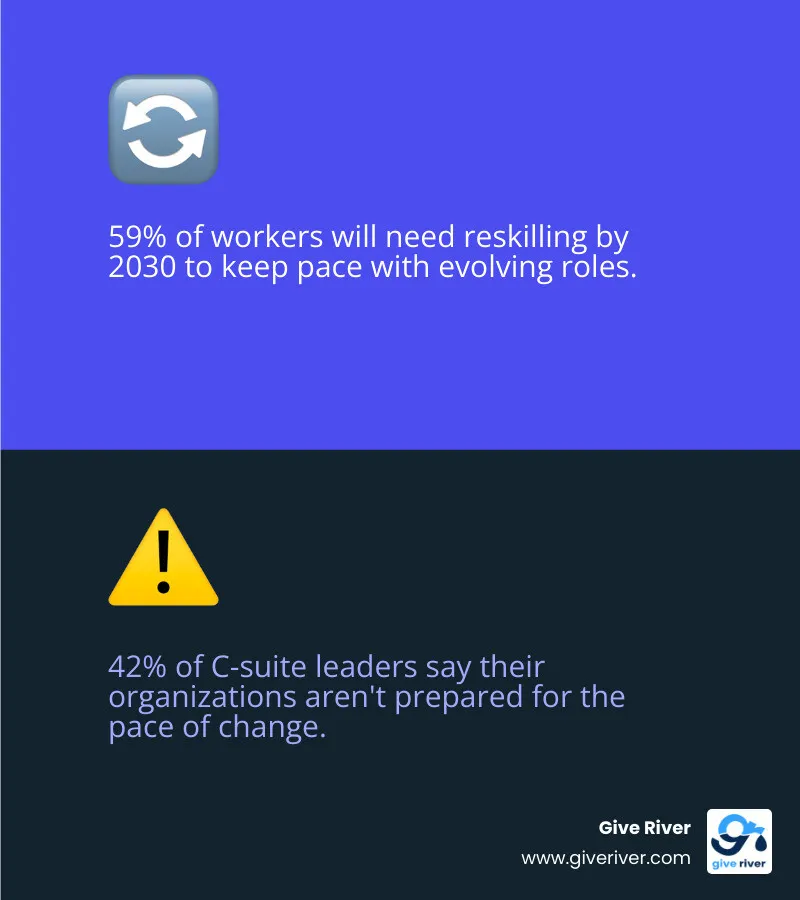
The numbers are hard to ignore. By 2030, 59% of workers will need reskilling just to keep pace with how quickly roles are evolving. Yet 42% of C-suite leaders already admit their organizations aren't prepared for the pace of change, and 90% of HR leaders say they can't effectively anticipate the skills their workforce will need using the tools they have today.
That gap between where your team is and where your business needs them to be isn't just an HR problem. It's a revenue problem, a retention problem, and increasingly, a competitive advantage problem.
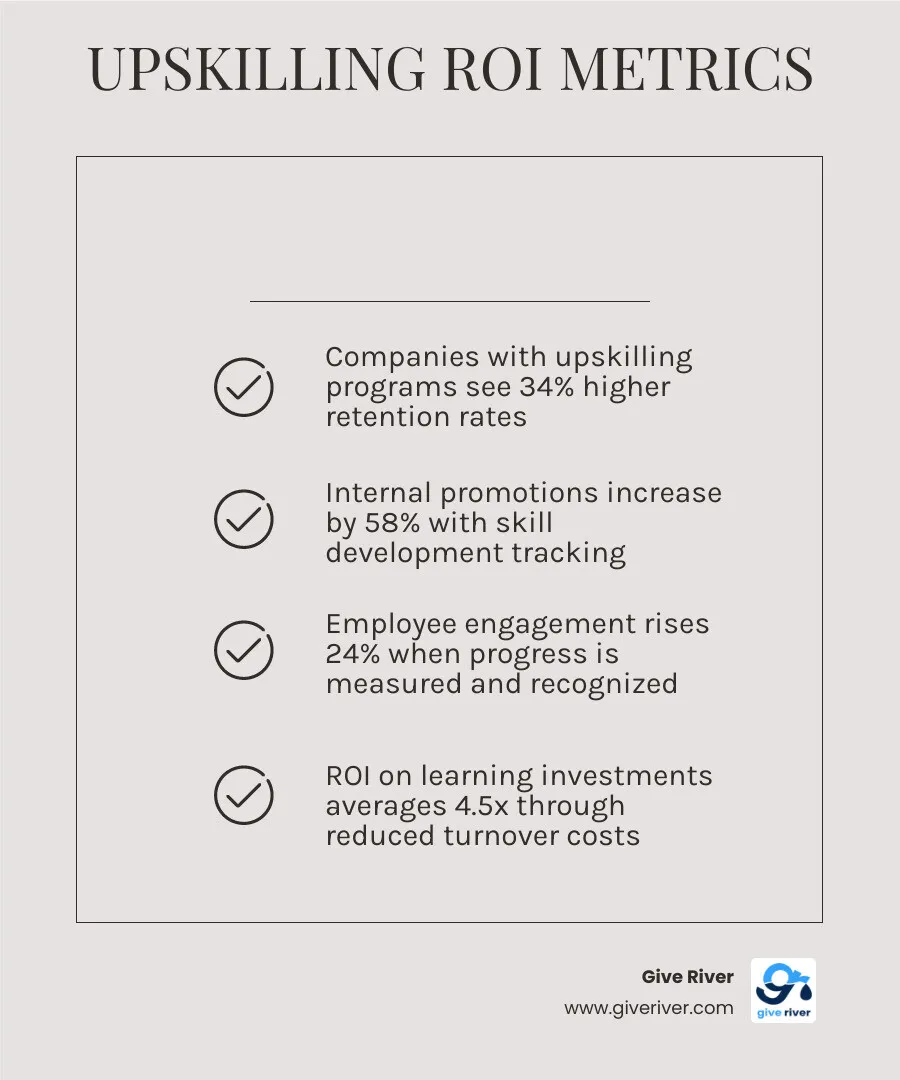
The good news is that organizations that treat upskilling as a strategic investment rather than a training checkbox are seeing real returns: stronger retention, higher internal mobility, and employees who are more engaged because they can see a future within the company.
I'm Meghan Calhoun, co-founder of Give River and a workplace performance strategist with more than two decades of experience leading high-pressure sales and customer success teams where developing people was the difference between burnout and breakthrough. That lived experience shaped my view of workforce upskilling solutions as a culture strategy, not just a skills strategy. In this guide, I'll walk you through practical ways to build and scale an upskilling program that moves the needle on performance, fulfillment, and team resilience.
Similar topics to workforce upskilling solutions:
Navigating Modern Workforce Upskilling Solutions
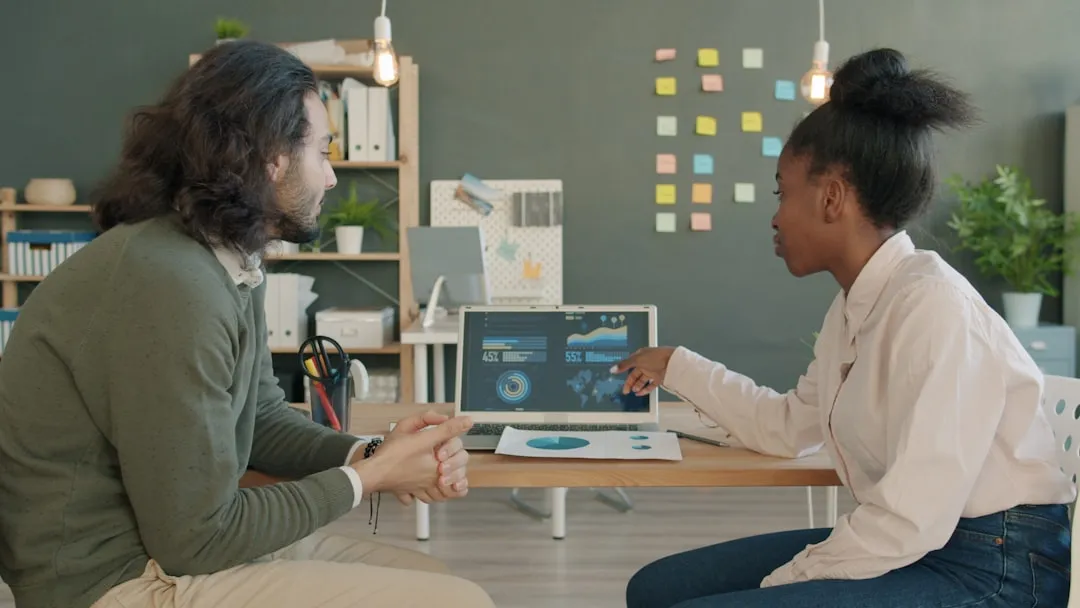
Upskilling means helping people grow in their current lane. Reskilling means helping them move into a new one. If upskilling is teaching your finance analyst advanced data automation, reskilling is preparing that same employee for a cybersecurity role.
Both matter, but they solve different business problems:
- Upskilling improves performance in current or adjacent roles
- Reskilling supports redeployment into new roles
- Upskilling tends to boost productivity faster
- Reskilling tends to reduce external hiring needs during major role shifts
The strongest organizations in 2026 use both. They don't wait for skill shortages to become expensive emergencies.
A simple comparison:
| Focus | Upskilling | Reskilling |
|---|---|---|
| Goal | Deepen current capabilities | Prepare for a different role |
| Use case | New tools, AI, leadership, compliance | Role changes, automation, new business lines |
| Main outcome | Higher performance and promotion readiness | Internal mobility and workforce redeployment |
| Time to impact | Often shorter | Often longer |
Why Businesses Prioritize Workforce Upskilling Solutions
Upskilling has become a top retention strategy because employees are clear about what they want. Research in the source set shows 62% of workers would consider leaving for an employer that offers better skill development opportunities. Another 77% say they would stay longer if their employer offered stronger professional development, and 82% say employer-paid learning would make them more likely to stay.
That is direct feedback you can act on.
The financial case is just as compelling. Replacing one employee can cost from half to two times that person's annual salary. Against that backdrop, building internal capability is often far more efficient than constant recruiting, longer onboarding cycles, and delayed productivity.
This is why 63% of HR leaders now rank upskilling as their number one retention strategy. It supports:
- Higher retention
- Better internal promotion rates
- Faster talent mobility
- Stronger employee fulfillment
- Better readiness for AI and role change
We see this every day: when growth feels visible, recognition feels meaningful, and work feels more worth doing. That connection between learning and belonging is a big reason Professional Development for Employees and Enterprise Learning and Development belong in a broader culture strategy, not in a disconnected HR workflow.
For additional context on why development matters for engagement and retention, see this Scientific research on employee retention and development.
What to Look for in Workforce Upskilling Solutions for 2026
Not all platforms or programs are created equal. Some are content libraries with polished branding. Some are assessment engines. Some are education benefit managers. Some still feel like spreadsheets with better visuals.
In 2026, strong workforce upskilling solutions usually include:
- AI-guided learning paths tied to role and career goals
- Skills assessments and role-based benchmarks
- Manager coaching tools and development plan templates
- Recognition, motivation, and gamification features
- Analytics dashboards for engagement, completion, and ROI
- Integrations with HRIS, LMS, LXP, and performance systems
This is where the market is becoming more specialized. Some platforms focus on education benefits, academic pathways, and coaching. Others emphasize curated learning pathways and ROI visibility, while some lean heavily into AI-based skills assessment and gap analysis. While recognition-focused platforms like Bonusly and Kudos are excellent for fostering a culture of appreciation, they often lack the integrated learning frameworks and skill-gap analytics necessary for long-term workforce development. Give River is different because it treats growth as the foundation of recognition. By weaving together skill development, wellness, guidance, gamification, and community impact, Give River ensures that learning feels human and rewarding, rather than a disconnected HR requirement.
If you are comparing vendors, start with this checklist and pair it with your broader Learning and Development Tools Guide. For self-directed options, Career Development Courses Online can also help teams explore formats and pathways.
Funding and Grants for Skill Development
Budget is a real concern, especially for small and midsize businesses. The good news is that upskilling does not always have to be fully self-funded.
Depending on location and industry, organizations may qualify for:
- Texas Skills Development Fund
- Skills for Small Business grants
- Infrastructure or sector-specific training grants
- Community college partnerships
- State and local workforce board programs
- Matching grant models for high-demand roles
Texas programs highlighted in the research are especially notable. Some small business programs support tuition through local colleges for businesses with fewer than 100 employees. Other workforce grants can offset technical training costs, sometimes with employer matching based on company size.
If your team is in a high-demand field such as infrastructure, manufacturing, healthcare, IT, or logistics, public funding may be more available than you think. It is worth assigning one person to review state workforce resources quarterly and identify deadlines, eligibility rules, and local partnerships.
For more support tools, see Professional Growth Tools.
Implementing and Measuring Your Upskilling Strategy

A great upskilling strategy is not "let's buy courses and hope everyone becomes magical." It starts with skill clarity, manager support, and consistent follow-through.
Identifying Skill Gaps and Designing Pathways
Begin with a skill gap analysis. Compare current capabilities against the skills required for business priorities over the next 12 to 24 months. That can include technical, leadership, communication, AI fluency, compliance, or customer-facing skills.
The strongest approach combines:
- Skills assessments
- Manager input
- Employee career goals
- Role-based benchmarks
- Business strategy forecasts
Platforms like iMocha use AI skills inference and validated assessments to build dynamic skill profiles. That can be helpful at scale. But technology should support, not replace, the manager-employee conversation.
We recommend building development pathways that answer three questions:
- What skill does this person need now?
- What role could they grow into next?
- How will we recognize progress along the way?
That last question matters. Employees are less likely to engage when learning feels impersonal, and 20% say that is exactly what stops them. This is where Employee Development Plan and Applied AI for Learning and Development Tools and Agents come together: use AI for precision, but keep coaching, recognition, and encouragement deeply human.
Proven Methods: From Apprenticeships to Micro-learning
There is no single best delivery method. The right mix depends on role, time constraints, learning style, and business urgency.
Common upskilling methods include:
- Apprenticeships for skilled trades and technical pathways
- Cohort-based learning for leadership, collaboration, and accountability
- Online courses for flexible, self-paced development
- Micro-learning for fast reinforcement and busy schedules
- Stretch assignments for applied learning
- Mentoring and coaching for contextual support
- Stackable credentials, certificates, and bootcamps for targeted advancement
Real-world examples show how varied successful programs can be. Large employers have used free education benefits at scale, with hundreds of thousands of workers participating since 2019. In hospitality and healthcare, unified education platforms have driven high engagement and improved internal mobility. Those examples reinforce a simple point: people use development benefits when the pathways are relevant, accessible, and clearly connected to advancement.
We are especially bullish on micro-learning paired with cohort support. Short learning bursts help people start, while shared accountability helps them finish. If you want practical ideas, explore Micro-learning for Training Employees and Professional Development in Business.
Measuring Success and Business Impact
If you cannot measure it, it will eventually become a nice initiative nobody can defend.
Track both learning metrics and business metrics:
- Enrollment and participation rates
- Completion rates
- Skill assessment improvement
- Certification or credential attainment
- Internal promotion and mobility rates
- Retention by participant vs nonparticipant group
- Manager coaching participation
- Time to productivity in key roles
- Budget used vs business outcomes
Several providers now emphasize ROI dashboards because many employers still struggle here. Research in the source set notes that 46% of employers struggle to measure ROI, and only about one in three track financial outcomes well.
At Give River, we believe measurement should also include culture signals. Our 5G Method - Guided, Gamified, Gratitude, Growth, and Generosity - helps connect learning to recognition, motivation, wellness, and purpose. That matters because development sticks better when it is reinforced socially, not just assigned digitally.
A simple ROI formula can look like this:
- Savings from reduced turnover
- Plus productivity gains
- Plus reduced external hiring costs
- Minus program costs
If a program improves retention in hard-to-fill roles alone, it may already be paying for itself. Add stronger engagement and internal mobility, and the case gets stronger quickly.
To build a practical scorecard, use Employee Development Tracking Complete Guide. And if you want to connect growth to culture and collaboration, explore Give River Team Building Solutions.
Conclusion
Workforce upskilling solutions work best when you treat them as a culture strategy, not just a content strategy. The goal is not merely to close skill gaps. It is to build a workplace where people can grow, contribute, and see a future for themselves.
That means:
- Defining the skills your business needs next
- Choosing the right mix of platforms and learning methods
- Connecting learning to manager support and recognition
- Using grants and partnerships where possible
- Measuring retention, mobility, productivity, and fulfillment
In a market moving this fast, doing nothing is still a decision. Usually an expensive one.
If you are ready to align learning, recognition, and purpose in one employee experience, explore Learning and Development Solutions. And if your next step is creating a more connected, motivated, future-ready culture, visit Give River Team Building Solutions.
More from this category.
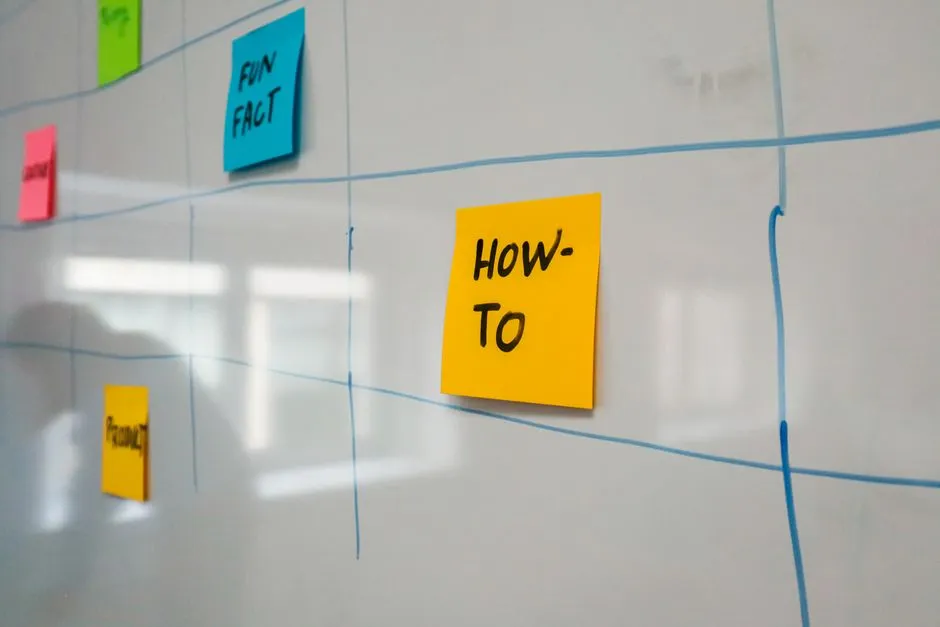
Why Most Work Meetings Start on the Wrong Foot (And How to Fix It)
The best 2 truths and a lie ideas for work can transform an awkward, silent meeting opener into a moment your team actually looks forward to. Whether you're onboarding new hires, kicking off a remote all-hands, or just trying to shake off…
The Trust Deficit in Remote Work
Building trust in a virtual team is a critical challenge for modern organizations. While remote work offers flexibility, it can erode team cohesion if not managed intentionally.
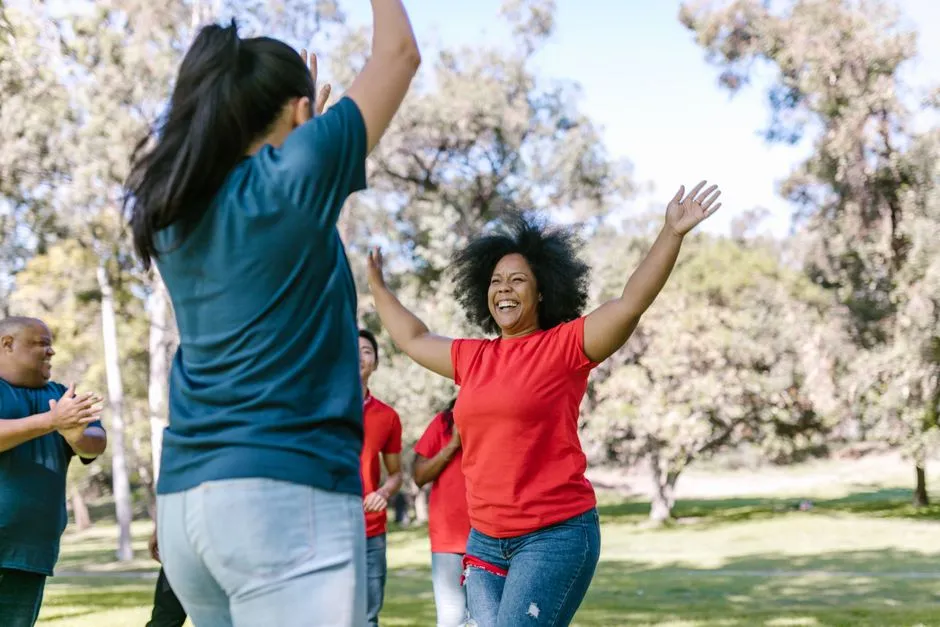
Why Connection Building Activities Are the Secret to High-Performing Teams
Connection building activities are structured exercises that help teams develop trust, improve communication, and foster genuine relationships at work — and they're one of the most overlooked drivers of team performance.
See the platform in action.
Free for up to 25 members, or try Core or Growth free for 30 days. A card is required; Free is never charged, and a trial bills when it ends unless you cancel.